
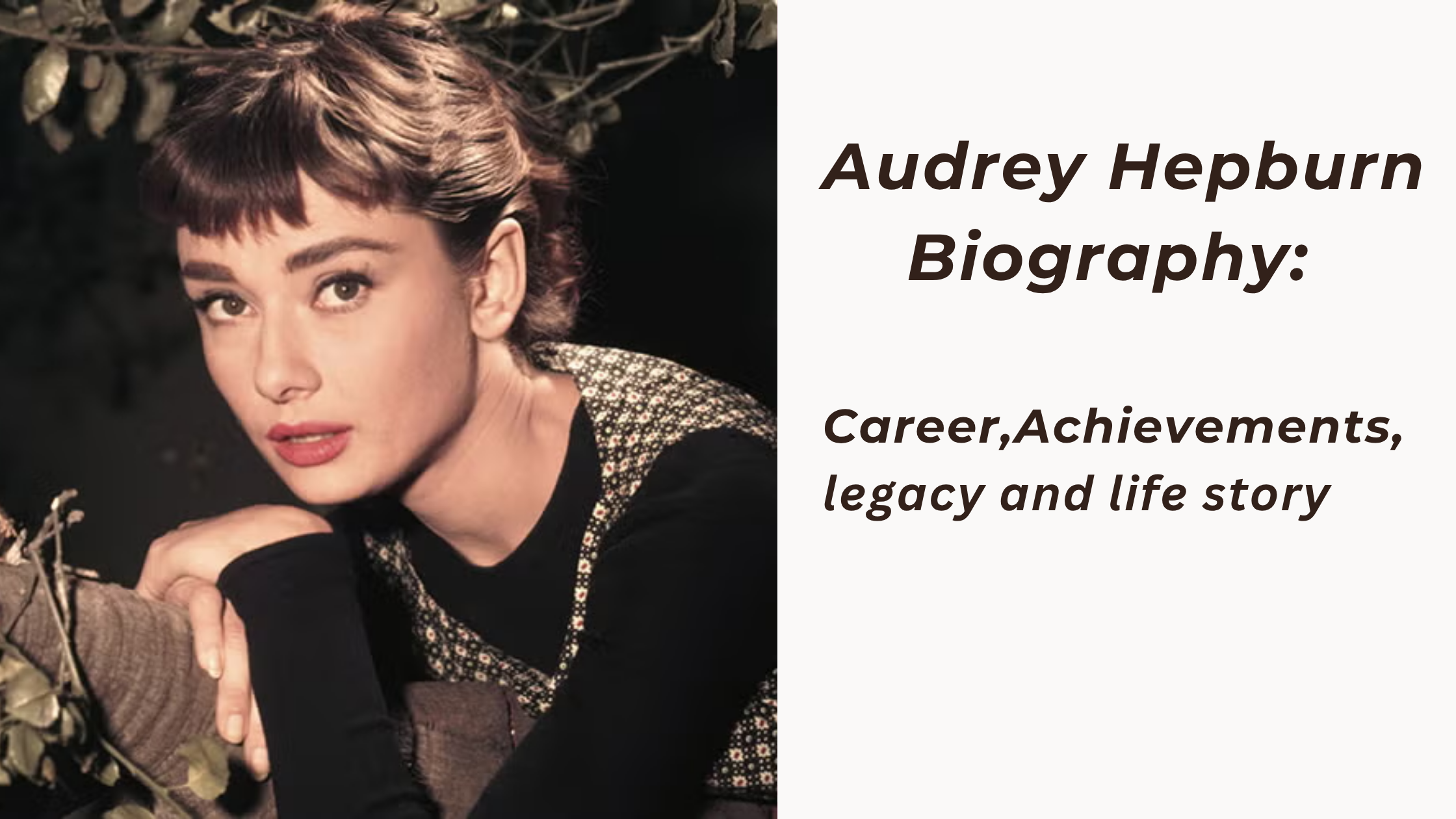
Audrey Kathleen Hepburn-Ruston an actress who transformed both cinema and humanitarianism. Born in Brussels on May 4, 1929, her legacy goes far beyond her iconic films, it includes a lifelong dedication to helping those in need. Audrey Hepburn Biography that reveals her transformation from a war-time child to a Hollywood legend, her career was not only marked by her stunning on-screen performances but also by her incredible achievements in humanitarian efforts. Her life story stands as a witness to the power of compassion and creativity, impacting generations long after her time.
Early Life and Background:
His early life was a tapestry of elegance woven with the stark realities of her time, especially being deeply affected by World War II. This stormy backdrop not only influenced her worldview but also enriched her artistic sensibilities.
Before she became a Hollywood icon, Hepburn devoted herself to studying ballet.This early interest laid the groundwork for her later successes, but it was a chance encounter with writer Colette that dramatically changed her path, she was selected for the Broadway production of “Gigi” . Transitioning from dance to acting, her incredible ability to connect with characters showcased her versatility,ultimately leading her to land the lead role in Roman Holiday and establishing her enduring legacy in cinema.
Audery Hepburn’s Movies and Fashion Legacy:
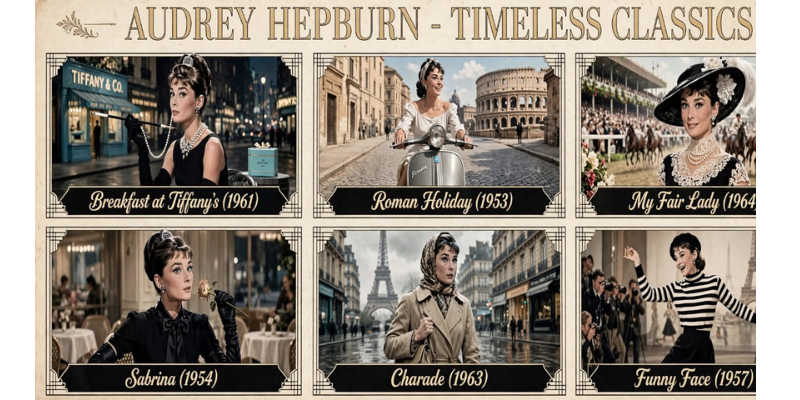
Audrey Hepburn’s film legacy, represented by classics like Roman Holiday, Sabrina, and Breakfast at Tiffany’s, transcends the screen, reshaping fashion and photography for generations. Winning the Academy Award for Best Actress for Roman Holiday not only solidified her status as a Hollywood icon but also showcased her unique ability to blend elegance with a natural sense of playfulness.
Family and Personal Life:
She married actor Mel Ferrer in 1954, and their relationship was filled with both creative collaboration and personal challenges. They welcomed their son, Sean, in 1960, who would grow up to become a producer. Their marriage ultimately ended in 1968. Later, she met Italian psychiatrist Andrea Dotti, and married him in 1969. Their son, Luca, was born in 1970. This period marked a shift for Hepburn, she stepped back from regular acting, focusing more on her family and humanitarian efforts. Raising Sean and Luca gave her a sense of purpose beyond the silver screen.
Humanitarian Work With UNICEF:
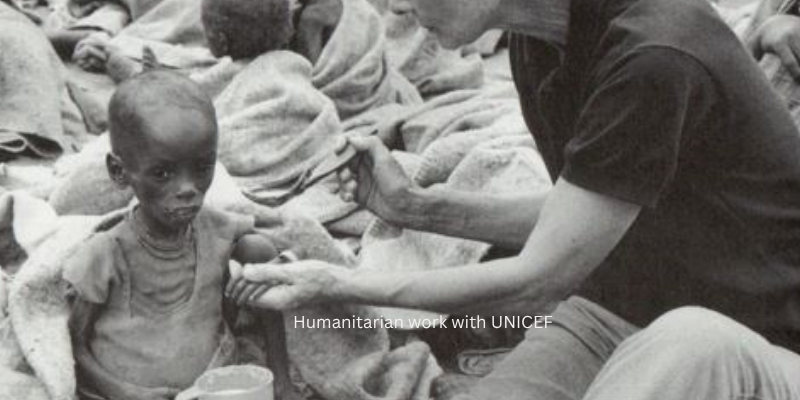
Her impact as a humanitarian remains as powerful as her cinematic legacy just like an Elizabeth Taylor. Serving as a UNICEF Goodwill Ambassador from 1988 until her death in 1993, she traversed the globe to bring attention to children facing poverty, hunger, disease, and displacement. Her travels took her to countries like Ethiopia, Bangladesh, and Vietnam, where she shared the stories of children who needed a voice.
In 1992, her tireless dedication was recognized with the Presidential Medal of Freedom, a proof of her unwavering commitment to humanitarian causes. Whether in a relief camp or a high-profile event, she spoke passionately about the dire situations these children were facing, urging the world to take action, creating an inspiring legacy in the Audrey Hepburn biography.
Estimated Net Worth:
Audrey Hepburn’s estimated net worth at the time of her death in 1993 was about $10–20 million, a remarkable figure that reflects her immense impact on Hollywood and beyond. While the exact value remains a topic of debate, with current estate estimates varying widely, it’s clear that her legacy continues to generate wealth long after her passing. Major wealth sources for Hepburn included her iconic acting career, which spanned decades, as well as the ongoing royalties from her timeless films and endorsements.
How Did Audrey Hepburn Die ?
A poignant moment in the Audrey Hepburn biography is January 20, 1993, when the world lost an iconic figure at the age of 63. Her battle with appendiceal cancer, a rare disease impacting the appendix, began in late 1992 when she started exhibiting abdominal symptoms that puzzled her doctors. Despite a courageous fight that involved surgery and chemotherapy, the cancer had spread by the time it was diagnosed, complicating her already fragile health.
Conclusion:
Audrey Hepburn Biography is a testament to the power of perseverance and passion, illustrating how one individual can leave an indelible mark on both film and society. Her stellar performances captivated audiences, while her unwavering commitment to humanitarian causes demonstrated her profound empathy and care for others. As we reflect on her life, let us remember her not only as a cinematic icon but as a beacon of hope and kindness.
FAQs about Audrey Hepburn Biography:
Why is Audrey Hepburn so famous?
She is famous for her iconic roles in classic films like Roman Holiday and Breakfast at Tiffany’s. She is also remembered for her timeless fashion style, acting talent, and humanitarian work with UNICEF.
How many Oscars did Audrey Hepburn win?
Audrey Hepburn won 1 Academy Award (Oscar) for Best Actress for her role in Roman Holiday (1953).
What was Audrey Hepburn’s nationality?
Audrey Hepburn was British by nationality. She was born in Brussels, Belgium, on May 4, 1929, and held British citizenship.
Was Audrey Hepburn pro LGBTQ?
Audrey Hepburn was not publicly known for being an LGBTQ+ activist, but she supported humanitarian causes and promoted equality through her work with UNICEF. There is limited evidence of her having publicly expressed specific views on LGBTQ+ rights.
What trauma did Audrey Hepburn have?
Audrey Hepburn experienced significant trauma during World War II when she lived under Nazi occupation in the Netherlands. She faced hunger, fear, and hardship during the war, experiences that deeply affected her and shaped her compassion for others.
What was Audrey Hepburn’s cause of death?
Audrey Hepburn died on January 20, 1993, at the age of 63, from appendiceal cancer, a rare type of cancer that develops in the appendix. She passed away at her home in Switzerland.